High Protein Teriyaki Salmon
Highlighted under: Easy Prep Meal Collection
I absolutely adore cooking with salmon, and this High Protein Teriyaki Salmon recipe has become one of my favorites. The sushi-grade salmon fillets are marinated in a homemade teriyaki sauce that I whip up in minutes, resulting in a dish that's as delicious as it is nutritious. I love how the flavors meld together, creating a balance of sweet and savory that pairs beautifully with rice and steamed vegetables. It's not only a powerhouse of protein but also an easy weeknight meal with impressive results.
When I first experimented with this recipe, I was amazed by how easily the teriyaki sauce came together. Combining soy sauce, honey, ginger, and garlic creates a perfectly balanced sauce that elevates the salmon. Utilizing a quality cut of salmon is essential to achieve that melt-in-your-mouth texture. I like to use fresh ingredients to really let the flavors shine.
After grilling the salmon, I recommend letting it rest for a few minutes before serving. This helps retain the moisture, ensuring the salmon stays tender. Pair it with a side of quinoa and stir-fried vegetables, and you've got a meal that's not only delicious but also great for post-workout recovery!
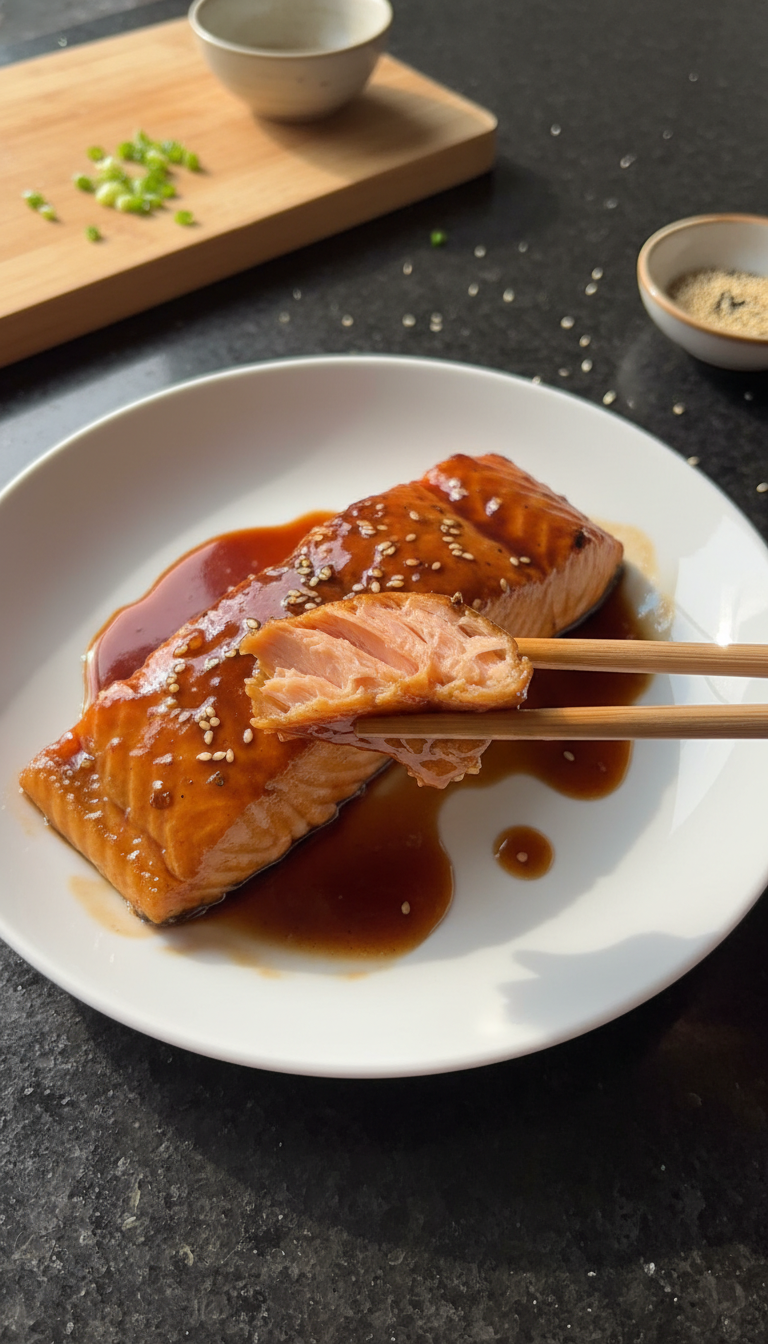
Why You'll Love This Recipe
- Packed with lean protein that supports muscle recovery
- Sweet and savory teriyaki sauce that complements any side dish
- Quick and easy to prepare for busy weeknights
Marinating the Salmon
Marinating the salmon not only infuses it with flavor but also helps to tenderize the meat. For optimal results, I recommend letting the fillets sit in the teriyaki sauce for at least 15-30 minutes before cooking. This brief marination enhances the savory and sweet notes and allows the garlic and ginger to permeate the salmon for a delightful taste experience. If you're short on time, even just 10 minutes can make a noticeable difference in the flavor profile.
When marinating, ensure that the salmon is fully coated with the teriyaki sauce. Consider using a resealable plastic bag for an even distribution and to prevent excess spill. If you're preparing salmon fillets from frozen, allow them to thaw completely in the refrigerator before marinating, as this will help them absorb the flavors better.
Cooking Technique for Perfect Salmon
Achieving perfectly cooked salmon involves monitoring both heat and timing. Start by heating the skillet to medium-high; this will help create that beautiful crispy skin. If the skin sticks to the pan when you try to flip it, it means the skillet may not be hot enough. For a more even cook, allow the skin to crisp up for about 5-7 minutes without moving the fillet.
Once you flip the salmon, pouring the teriyaki sauce over it and basting helps to build a glossy and flavorful exterior. Keep an eye on the salmon; it’s done when it flakes easily with a fork, typically around 5-7 minutes after flipping. Remember, salmon continues to cook off the heat, so removing it just before it’s fully cooked is key to avoid overcooking.
Serving Suggestions and Variations
This High Protein Teriyaki Salmon pairs wonderfully with a variety of side dishes. Steamed jasmine rice or quinoa complements the sweet and savory flavors, while fresh steamed broccoli or sautéed bok choy adds a vibrant crunch. For a twist, try serving it atop a simple salad with mixed greens and a light sesame dressing for a refreshing meal.
If you’re looking to mix things up, consider adding vegetables to the skillet while cooking the salmon. Thinly sliced bell peppers or snap peas can soak up the teriyaki sauce, creating a delicious medley. You can also experiment with the teriyaki sauce by incorporating additional flavors like pineapple juice for more sweetness or a splash of sriracha for some heat.
Ingredients
Ingredients
For the Teriyaki Sauce
- 1/4 cup soy sauce
- 2 tablespoons honey
- 1 tablespoon rice vinegar
- 1 teaspoon grated ginger
- 1 teaspoon minced garlic
- 1 tablespoon cornstarch mixed with 2 tablespoons water
For the Salmon
- 2 salmon fillets
- 1 tablespoon sesame oil
- 1 teaspoon sesame seeds (for garnish)
- Chopped green onions (for garnish)
Instructions
Instructions
Make the Teriyaki Sauce
In a small saucepan, combine soy sauce, honey, rice vinegar, ginger, and garlic. Bring to a simmer over medium heat. Once bubbling, stir in the cornstarch mixture and cook until thickened, about 2 minutes. Remove from heat and set aside.
Prepare the Salmon
Heat sesame oil in a skillet over medium-high heat. Season the salmon fillets with salt and pepper, then place them skin-side down in the skillet. Cook for about 5 minutes until the skin is crispy.
Add the Sauce
Flip the salmon fillets and pour the teriyaki sauce over them. Cook for an additional 5-7 minutes, basting occasionally, until the salmon is cooked through and flakes easily.
Serve
Transfer the salmon to plates, drizzle with remaining teriyaki sauce, and garnish with sesame seeds and chopped green onions. Serve with rice and your choice of vegetables.
Pro Tips
- Using sushi-grade salmon will provide the best flavor and texture. Feel free to add vegetables to the skillet while cooking the salmon for a complete one-pan meal.
Ingredient Substitutions
While this recipe includes traditional teriyaki sauce ingredients, feel free to make substitutions based on dietary needs or preferences. For a gluten-free version, use tamari instead of soy sauce. To lower the sugar content, substitute honey with maple syrup or agave nectar; both will provide a pleasant sweetness without altering the flavor profile significantly.
If you prefer a different protein, this teriyaki sauce works exceptionally well with chicken or tofu. Just be mindful that cooking times will vary; chicken will typically take a little longer, and tofu, especially if using firm varieties, can be cooked until golden brown before adding the sauce for a delightful finish.
Storage and Reheating Tips
If you have leftovers, store the salmon in an airtight container in the refrigerator for up to two days. It's best to keep the salmon and any remaining teriyaki sauce separate to preserve the texture of the fish. When you're ready to enjoy it again, reheat the salmon gently in a skillet over low heat to prevent drying out the delicate meat.
For longer storage, you can freeze the uncooked marinated salmon. Wrap it tightly in plastic wrap or aluminum foil, and place it in a freezer bag for up to three months. When ready to use, thaw it in the refrigerator overnight. Just remember that the texture may slightly change after freezing, but it should still taste fantastic when cooked.
Experimenting with Flavors
Feel free to tailor the teriyaki sauce to your taste! Adding a splash of orange juice can provide a fresh citrus twist, enhancing the overall flavor. You might also enjoy incorporating crushed red pepper flakes for a hint of spice. I often like to add a bit of black sesame seeds alongside the regular sesame seeds for an aesthetic and textural contrast.
Another way to elevate the dish is by incorporating aromatics into your cooking methods. Try adding a few crushed scallions or garlic cloves into the skillet while cooking for an extra layer of flavor. While these additions don’t require extra effort, they make a remarkable difference in the depth of flavor you can achieve.
Questions About Recipes
→ Can I use other types of fish?
Absolutely! This teriyaki sauce works well with other firm fish like tuna or halibut.
→ Is this recipe gluten-free?
To make it gluten-free, use tamari instead of soy sauce.
→ Can I prepare the sauce in advance?
Yes, the teriyaki sauce can be made ahead and stored in the fridge for up to a week.
→ What should I serve with this salmon?
This dish pairs beautifully with white rice, quinoa, or steamed vegetables.
High Protein Teriyaki Salmon
Created by: The Delish board Team
Recipe Type: Easy Prep Meal Collection
Skill Level: Easy
Final Quantity: 2 servings
What You'll Need
For the Teriyaki Sauce
- 1/4 cup soy sauce
- 2 tablespoons honey
- 1 tablespoon rice vinegar
- 1 teaspoon grated ginger
- 1 teaspoon minced garlic
- 1 tablespoon cornstarch mixed with 2 tablespoons water
For the Salmon
- 2 salmon fillets
- 1 tablespoon sesame oil
- 1 teaspoon sesame seeds (for garnish)
- Chopped green onions (for garnish)
How-To Steps
In a small saucepan, combine soy sauce, honey, rice vinegar, ginger, and garlic. Bring to a simmer over medium heat. Once bubbling, stir in the cornstarch mixture and cook until thickened, about 2 minutes. Remove from heat and set aside.
Heat sesame oil in a skillet over medium-high heat. Season the salmon fillets with salt and pepper, then place them skin-side down in the skillet. Cook for about 5 minutes until the skin is crispy.
Flip the salmon fillets and pour the teriyaki sauce over them. Cook for an additional 5-7 minutes, basting occasionally, until the salmon is cooked through and flakes easily.
Transfer the salmon to plates, drizzle with remaining teriyaki sauce, and garnish with sesame seeds and chopped green onions. Serve with rice and your choice of vegetables.
Extra Tips
- Using sushi-grade salmon will provide the best flavor and texture. Feel free to add vegetables to the skillet while cooking the salmon for a complete one-pan meal.
Nutritional Breakdown (Per Serving)
- Calories: 400 kcal
- Total Fat: 20g
- Saturated Fat: 3g
- Cholesterol: 70mg
- Sodium: 880mg
- Total Carbohydrates: 16g
- Dietary Fiber: 1g
- Sugars: 10g
- Protein: 38g